

What Typically Causes Neck Pain for Olean, NY Residents?
Neck pain can stem from a variety of everyday sources, many of which are closely linked to common habits and environmental factors in Olean, NY. Most cases are not caused by a serious illness but rather by movements, postures, and stresses people encounter in daily routines.
In this area, neck pain often arises due to:
- Prolonged time spent on computers, tablets, or phones (sometimes called "tech neck")
- Sleeping on older mattresses or pillows that do not provide adequate neck support
- Stress or muscle tension, especially in colder months when muscles may be naturally tighter
- Poor posture while working, driving, or relaxing at home
- Carrying heavy bags on one shoulder
- Accidents such as slips on icy sidewalks or minor car collisions, which are more frequent during local winter
Less commonly, neck pain may relate to conditions like arthritis, disc degeneration, or health issues requiring medical attention. If pain is accompanied by numbness in the arms, persistent headaches, or severe loss of movement, it should be evaluated.
How Does Everyday Posture Affect Neck Health?
Daily posture plays a major role in how the neck feels. Simply put, spending extended hours hunched over screens or driving with the head pushed forward strains neck muscles and joints.
For area households:
- Many work and school tasks take place at kitchen tables or on couches, leading to prolonged neck bending
- Local office workers may use makeshift setups rather than supportive chairs or monitors
- Truck and delivery drivers passing through the region often sit for long periods with limited neck movement
Slouching or holding the phone between the ear and shoulder, especially during cold months when bundled in heavy jackets, can add strain. Paying attention to how often the head juts forward or tilts sharply can be the first step to reducing unnecessary pressure on neck structures.
Are Local Weather and Seasonal Activities Linked to Neck Pain?
Olean’s climate and seasonal habits do influence neck comfort.
During winter:
- The need for layering and looking down to avoid ice or snow alters posture
- Shoveling or snow-blowing, sometimes with forceful twisting movements, increases the risk for muscle sprains
- Slippery sidewalks can trigger falls, leading to whiplash-type pain afterward
In warmer months, gardening or outdoor tasks often involve bending or lifting without proper neck support. Mowing lawns with frequent head-turning, or spending hours at outdoor community events using devices, also plays a part.
Understanding how local routines fluctuate with weather can help residents make proactive changes, such as stretching before chores and being mindful of lifting and movement habits.
What Sleep Habits Influence Neck Discomfort?
How a person sleeps is a common, overlooked contributor to frequent neck soreness in the community.
The most common issues are:
- Using pillows that are too high, flat, or unsupportive, causing unnatural bending of the neck
- Falling asleep on couches or recliners with the head at awkward angles
- Sleeping on the stomach, which twists the neck for long periods
Olean homes with older bedding or shared mattresses may be especially prone to these problems. Replacing pillows every few years and choosing options that keep the head neutral are simple ways to limit overnight strain.
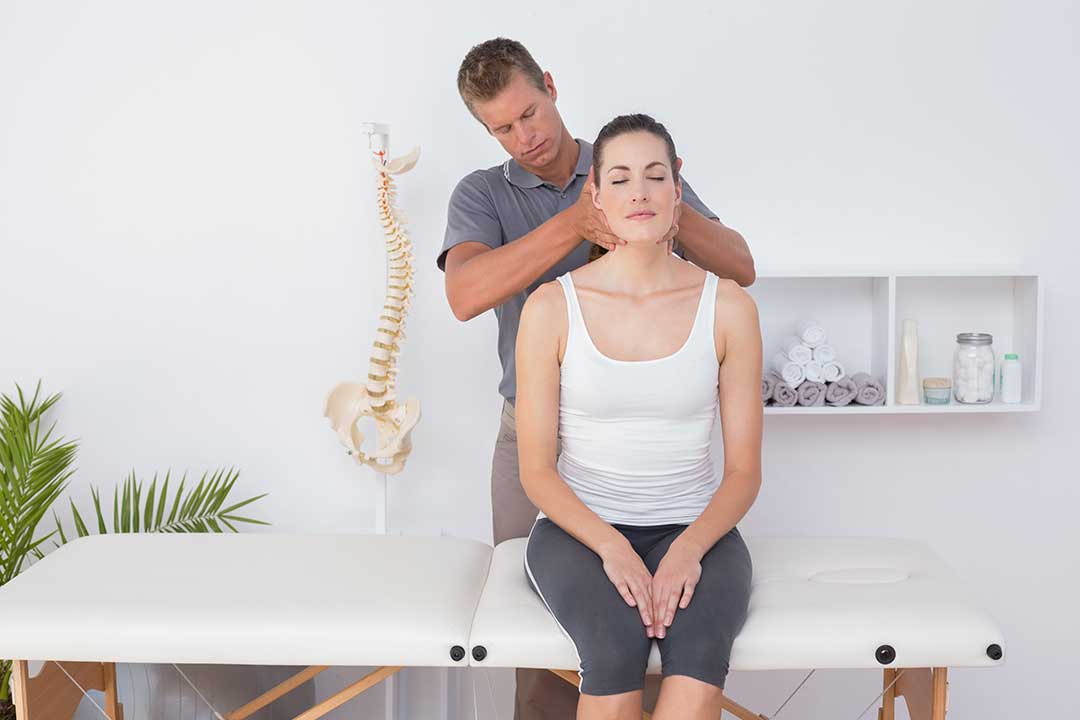
Can Stress Increase Neck Pain?
Heightened stress levels, which can rise in colder, busier months or during periods of local economic anxiety, often lead residents to unconsciously tense their neck and shoulder muscles. This muscle tension restricts blood flow and increases stiffness.
Daily examples include:
- Hunching shoulders while driving in inclement weather
- Tensing up while reading difficult emails or news on a phone
- Sitting rigidly through long school or work meetings
Practicing gentle neck stretches, slow breathing, and regular short movement breaks can provide relief. Recognizing when stress and muscle tension are creeping in helps area residents respond before pain becomes persistent.
What Are Simple, Preventive Steps for Reducing Neck Pain?
Prevention strategies are practical and can be started at home or work without special equipment.
Suggestions for Olean residents:
- Adjust computer monitors to eye level and take breaks to stand or stretch every 30-60 minutes
- Use a chair that supports the lower back, allowing the head and neck to remain upright
- Occasionally check posture during phone, tablet, or TV use; hold devices at chest or eye level instead of the lap
- Choose a pillow that keeps the neck in a neutral, aligned position through the night
- When shoveling snow, use legs rather than forcing the upper body, and take additional stretching breaks in colder weather
- Lighten loads in backpacks, purses, or bags, alternating shoulders when possible
- Warm up neck and shoulder muscles lightly before high-effort activities
Simple daily habits—like rolling the shoulders, gently turning the head side to side, and pausing repetitive tasks—add up to less strain and improved comfort.
When Should Local Residents Seek Help for Neck Pain?
Most neck pain episodes resolve with time and attention to comfort and posture. However, if pain persists for several weeks, is severe, or comes with numbness, sharp shooting sensations, or loss of arm function, it’s wise to reach out to a healthcare provider. Injuries involving a fall or accident, especially with lingering pain, should be evaluated to rule out more serious conditions.
Paying attention to the body’s warning signs and acting early helps prevent small issues from becoming longstanding problems within the community.
