
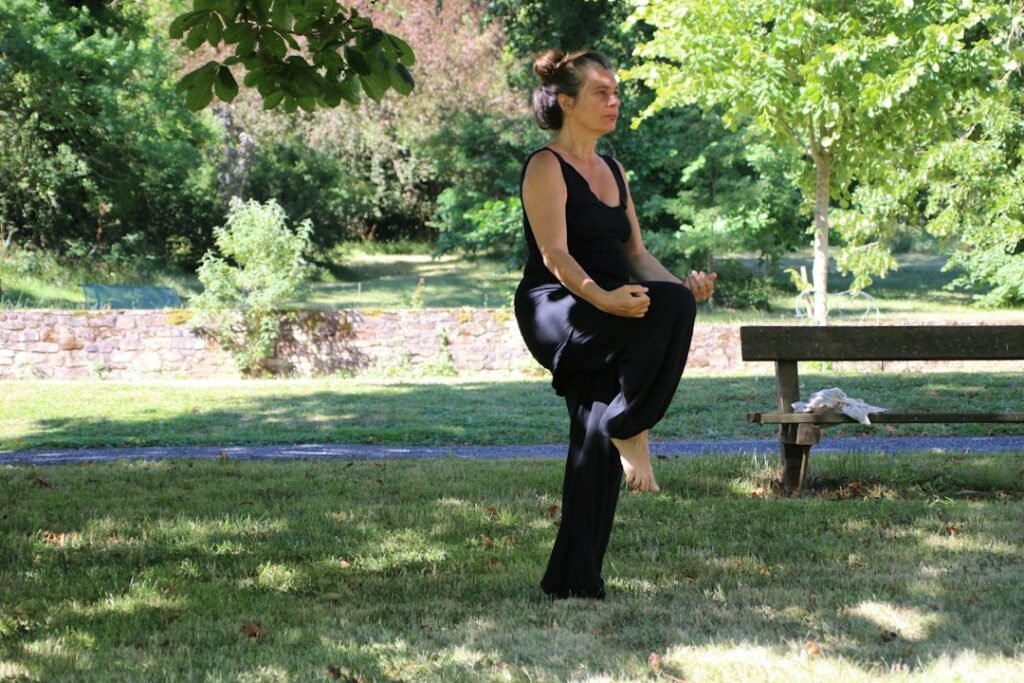
What helps keep the spine healthy?
A healthy spine depends less on perfect posture or a single exercise and more on consistent daily habits. Regular movement, sensible lifting, supportive sitting positions, adequate sleep, and attention to warning signs all help protect the back and neck.
For residents in Olean, seasonal tasks can add extra strain. Shoveling, carrying firewood, moving stored items, gardening, and spending more time indoors during winter can challenge the muscles that support the spine. Preparing for these activities gradually is safer than taking on a demanding task without conditioning.
How much movement does the spine need?
Frequent, moderate movement is generally better for the back than long periods of sitting followed by sudden strenuous activity. Walking is a practical starting point because it places relatively low stress on the spine while encouraging circulation and coordination.
Adults should generally work toward at least 150 minutes of moderate physical activity each week, along with muscle-strengthening activity on two days. This does not need to happen all at once. Short walks, active household tasks, and several brief movement breaks can add up.
Useful options include:
- Brisk walking
- Water-based exercise
- Cycling on a comfortable surface
- Gentle mobility exercises
- Strength training with body weight, resistance bands, or manageable weights
- Balance activities for older adults
Increase activity gradually. A sudden jump from limited movement to heavy lifting, intense yardwork, or repeated snow shoveling can overload muscles and joints even when the activity itself is healthy.
Does posture cause back pain?
Posture can influence how the body feels, but there is no single “perfect” posture that must be maintained all day. Staying in one position too long is often more troublesome than changing positions regularly.
When sitting, aim for a relaxed, supported position:
- Keep both feet supported when possible.
- Place the screen near eye level rather than bending the neck downward.
- Keep frequently used items within easy reach.
- Use a small rolled towel or lumbar support if it improves comfort.
- Change position or stand briefly every 30 to 60 minutes.
At a kitchen table, home desk, or work station, the goal is to reduce prolonged slouching and avoid holding the head far forward. However, occasional slouching is not automatically harmful. Comfort, variety, and the ability to move freely are more realistic goals than rigid posture rules.
What is the safest way to lift?
Safe lifting starts before the object leaves the ground. Test the weight, clear the path, and decide where the object will go. If a load is too heavy, awkward, or unstable, divide it into smaller portions or ask another person to help.
For a manageable object:
1. Move close to the load.
2. Place the feet in a stable position.
3. Bend through the hips and knees rather than rounding deeply through the back.
4. Keep the object close to the body.
5. Tighten the abdominal muscles gently without holding the breath.
6. Rise using the legs.
7. Turn by moving the feet instead of twisting the torso.
Snow removal deserves particular care in Olean because wet snow can become very heavy. Push snow when possible instead of lifting it. Take smaller loads, switch sides periodically, and rest before fatigue affects coordination. Avoid combining bending, lifting, and twisting in one motion.
How can winter chores be easier on the back?
Cold weather may reduce activity for weeks, leaving the muscles less prepared for sudden outdoor work. A short indoor warm-up, such as walking around the home and moving the shoulders, hips, and ankles, can help the body transition to physical activity.
During winter tasks:
- Wear footwear with reliable traction.
- Keep the handle or load close to the body.
- Use smaller tools or loads when possible.
- Alternate demanding work with lighter tasks.
- Take breaks before the back feels exhausted.
- Avoid rushing on icy or uneven surfaces.
- Keep walkways reasonably clear to reduce fall risk.
A fall can affect the spine, hips, shoulders, and head. Good lighting, stable footwear, and careful pacing are part of back protection, not separate concerns.
Which exercises support the back and neck?
The muscles of the abdomen, hips, legs, upper back, and shoulders all contribute to spinal support. A balanced routine is usually more useful than focusing only on the lower back.
Begin with movements that can be performed with steady breathing and controlled form. Examples may include:

- Sit-to-stand movements from a sturdy chair
- Glute bridges
- Supported bird-dog movements
- Wall push-ups
- Resistance-band rows
- Gentle abdominal bracing
- Calf raises and balance practice
Exercise should not cause sharp, spreading, or progressively worsening pain. Mild muscle effort is expected, but symptoms that travel down an arm or leg, cause numbness, or produce weakness warrant stopping the activity and seeking medical guidance.
Stretching may improve comfort and mobility for some people, but flexibility alone does not replace strength and general activity. A routine should match a person’s age, health history, balance, and current fitness level.
Does sleep affect spinal health?
Sleep gives irritated tissues time to recover and can influence how sensitive the nervous system feels to pain. A comfortable sleep position matters more than following one universal rule.
Side sleeping with a pillow between the knees may reduce strain for some people. Back sleeping with support under the knees can also feel comfortable. Stomach sleeping may be harder on the neck for some individuals because the head remains turned, but comfort and symptom response should guide adjustments.
A mattress does not need to be extremely firm to support the spine. The useful test is whether it allows comfortable sleep without creating new morning pain or excessive sagging.
When should back or neck pain be evaluated?
Many episodes of uncomplicated back pain improve with continued gentle activity, temporary modification of aggravating tasks, and time. Prolonged bed rest is generally not helpful for routine back discomfort.
Prompt medical evaluation is appropriate for pain accompanied by:
- New or worsening weakness in an arm or leg
- Numbness in the groin or inner thighs
- Loss of bladder or bowel control
- Fever, unexplained weight loss, or feeling acutely ill
- Severe pain after a fall or other injury
- Pain that is constant, worsening, or repeatedly disrupting sleep
- A history of cancer, significant immune suppression, or long-term steroid use
These symptoms can have causes that require more than home care. A chiropractor, physician, physical therapist, or other qualified clinician may help determine the safest next step based on the symptoms and medical history.
What is a realistic daily spine-care routine?
A practical routine might include a few minutes of movement after waking, regular walking, strength exercises twice weekly, and brief posture changes during sedentary tasks. Before seasonal chores, build capacity over several days rather than attempting everything at once.
The most protective approach is not avoiding all bending, lifting, or activity. It is maintaining general strength, using reasonable technique, changing positions, respecting fatigue, and responding early when symptoms stop behaving like ordinary muscle soreness.
