
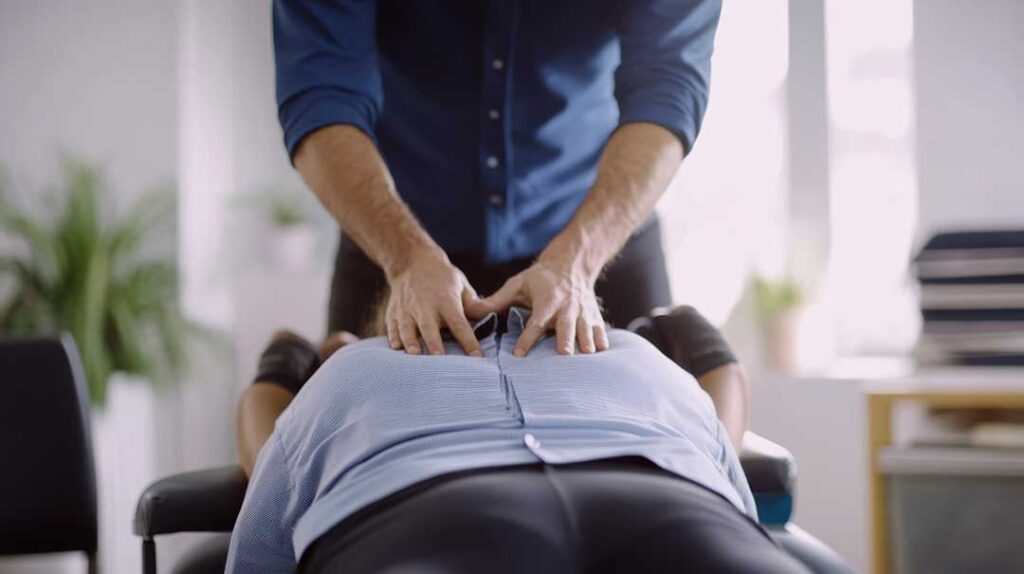
Healthy aging is less about avoiding every ache and more about preserving mobility, strength, balance, and independence. Chiropractic care may support that goal when it is used appropriately as part of a broader plan that includes physical activity, medical care, sleep, nutrition, and fall prevention.
What does healthy aging have to do with movement?
Healthy aging includes maintaining the ability to perform everyday activities safely and comfortably. Walking, standing from a chair, climbing stairs, carrying groceries, gardening, and doing household tasks all depend on coordinated movement.
As people age, muscle strength, joint mobility, balance, and recovery speed may change. These changes do not mean that pain or stiffness should simply be accepted as unavoidable. Regular movement and individualized care can help many older adults remain active.
Chiropractic care generally focuses on the relationship between the spine, joints, muscles, and nervous system. Depending on a person’s needs, care may include manual therapy, gentle joint mobilization, exercise guidance, posture education, and recommendations for gradually increasing activity.
The goal should not be to “reverse aging.” A more realistic goal is to support useful movement and function while recognizing medical conditions, medications, bone health, and individual tolerance.
How might chiropractic care help older adults stay active?
Chiropractic treatment may be useful for some types of back, neck, or joint-related discomfort, particularly when pain makes normal activity more difficult. Research reviewed by the National Center for Complementary and Integrative Health indicates that spinal manipulation is one nondrug option that may provide modest improvements in pain and function for some people with acute or chronic low-back pain. ([nccih.nih.gov](https://www.nccih.nih.gov/health/spinal-manipulation-what-you-need-to-know?utm_source=openai))
Improved comfort can make it easier to continue walking, complete strengthening exercises, or participate in daily routines. That functional connection matters because inactivity can contribute to further weakness and stiffness.
Care may also help a person understand which movements are irritating a problem and which activities can be resumed gradually. For example, someone who experiences back discomfort while shoveling, lifting firewood, or standing for long periods may benefit from education about body positioning, pacing, lifting mechanics, and recovery.
Results vary. Chiropractic care is not a cure for arthritis, osteoporosis, nerve disease, or other causes of reduced mobility. It should be considered one possible part of a larger health plan rather than a replacement for diagnosis or general medical care.
Can chiropractic care prevent falls?
Chiropractic adjustments alone should not be presented as a proven way to prevent falls. Fall prevention depends on several factors, including leg strength, balance, vision, footwear, medications, home hazards, and the ability to react safely when balance is disturbed.
The Centers for Disease Control and Prevention recommends that adults age 65 and older include aerobic activity, muscle-strengthening exercises, and balance activities each week. These activities can improve physical function and reduce the risk of falls or injuries from falls. ([cdc.gov](https://www.cdc.gov/physical-activity-basics/adding-older-adults/what-counts.html?utm_source=openai))
A movement-focused chiropractic visit may identify stiffness or discomfort that interferes with walking or exercise. However, balance training should be addressed directly through appropriate exercises. Examples may include:
- Repeatedly standing up and sitting down from a sturdy chair
- Heel-to-toe walking near a counter or wall
- Gentle leg strengthening
- Practicing controlled weight shifts
- Tai chi, supervised balance work, or other suitable activities
Anyone who feels unsteady should use support and avoid practicing challenging balance exercises alone. A physical therapist, physician, or other qualified clinician may be better suited to evaluate repeated falls, significant weakness, or complex balance problems.
What should older residents consider during colder months?
Seasonal conditions can affect movement habits. Snow, ice, shorter daylight hours, and cold temperatures may lead people to spend more time indoors and walk less. Slippery surfaces can also increase the consequences of reduced balance or limited leg strength.
Practical precautions include keeping commonly used walkways clear, using stable footwear, improving indoor lighting, and avoiding rushing between a vehicle and a doorway. Indoor walking, stationary cycling, gentle strengthening, and mobility exercises can help maintain activity when outdoor conditions are poor.
Household tasks also deserve attention. Lifting wet snow, carrying heavy containers, moving furniture, and reaching overhead can place unexpected stress on the back and shoulders. Breaking tasks into smaller portions, keeping loads close to the body, and taking rest periods may reduce strain.
Pain that begins after a fall, twisting injury, or sudden lifting incident should not automatically be treated as routine stiffness.
Is chiropractic treatment safe for everyone as they age?
Safety depends on the individual, the technique, and the health information shared before treatment. Mild temporary effects such as increased soreness, stiffness, or headache can occur after spinal manipulation or mobilization and often resolve within a day. Serious complications are rare, but they have been reported. The risk may be greater when underlying health conditions increase vulnerability to injury. ([nccih.nih.gov](https://www.nccih.nih.gov/health/spinal-manipulation-what-you-need-to-know?utm_source=openai))
Older adults should disclose relevant information before treatment, including:
- Osteoporosis or a history of fragility fractures
- Recent falls or unexplained fractures
- Cancer, infection, or unexplained weight loss
- Blood-thinning medication
- Recent surgery
- Severe or worsening neurological symptoms
- Significant dizziness, fainting, or vascular conditions
- New loss of bladder or bowel control
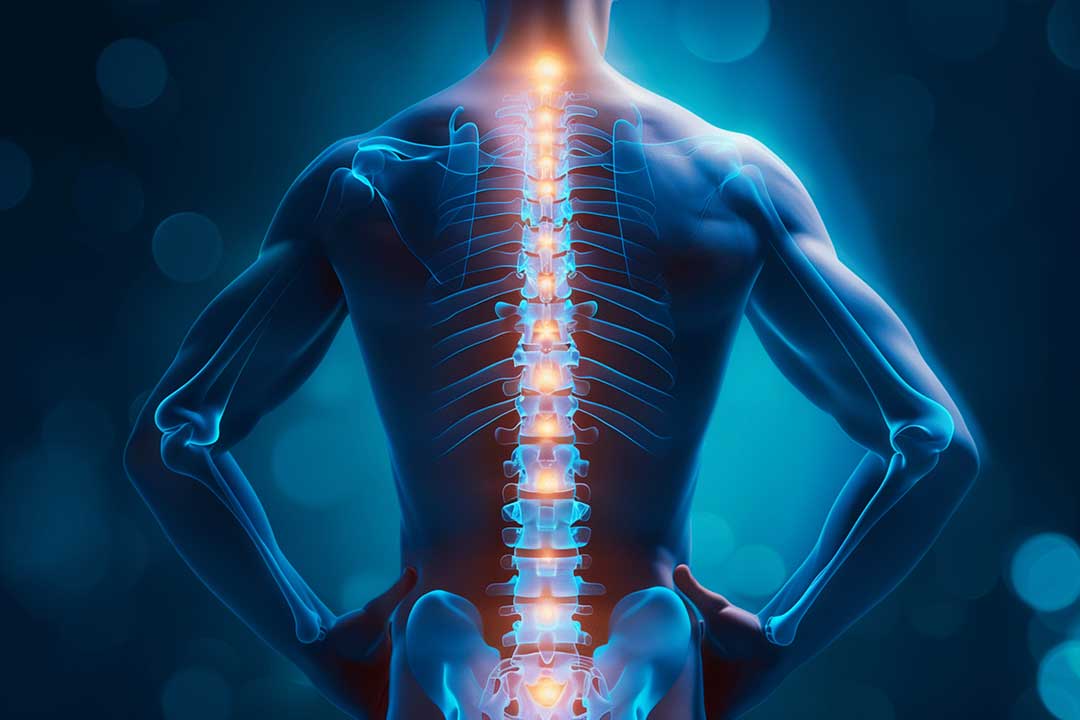
Gentle techniques may be more appropriate than forceful manipulation for some people, but technique selection requires an individualized assessment. A person with severe bone thinning, a recent fracture, or an unexplained medical problem may need medical evaluation before hands-on treatment.
What symptoms require medical evaluation first?
Back or joint pain accompanied by certain symptoms should be evaluated promptly rather than managed solely through routine chiropractic care. Warning signs include new or progressive weakness, numbness in multiple areas, difficulty walking, fever, unexplained weight loss, pain after a serious fall, chest pain, shortness of breath, or loss of bladder or bowel control.
Sudden one-sided weakness, facial drooping, trouble speaking, or severe new dizziness requires emergency attention.
These symptoms do not necessarily indicate a serious condition, but they warrant timely assessment because delaying care could matter.
How can chiropractic care fit into a healthy-aging plan?
The most useful approach is coordinated and function-oriented. Chiropractic care may address musculoskeletal pain or movement restrictions, while other parts of healthy aging include:
- Regular walking or other aerobic activity suited to current ability
- Strength training at least two days per week when medically appropriate
- Balance practice
- Adequate protein and overall nutrition
- Sleep and stress management
- Vision and hearing checks
- Medication reviews
- Safe footwear and reduced household fall hazards
The National Institute on Aging emphasizes that a combination of aerobic, strength, balance, and flexibility activities supports physical function and independence as people grow older. ([nia.nih.gov](https://www.nia.nih.gov/health/exercise-and-physical-activity/three-types-exercise-and-physical-activity?utm_source=openai))
For residents in Olean, maintaining movement may mean adapting routines to seasonal weather, home layout, work demands, and personal health history. The central question is not whether a particular treatment is suitable for everyone. It is whether the overall plan helps a person move more safely, manage symptoms responsibly, and continue the activities that give daily life structure and meaning.
