

Sciatica can cause sharp, burning, or electric-like pain that travels from the lower back or buttock into the leg. It may also cause tingling, numbness, or weakness. In many cases, symptoms improve with conservative care, movement, and time, but certain warning signs require prompt medical attention. ([mayoclinic.org](https://www.mayoclinic.org/diseases-conditions/sciatica/diagnosis-treatment/drc-20377441?utm_source=openai))
What does sciatica feel like?
Sciatica is not simply any type of low back pain. It usually involves irritation or compression of a nerve root in the lower spine, with symptoms extending into one leg. A person may notice:
- Pain that travels through the buttock and down the back or side of the leg
- Tingling or pins-and-needles sensations
- Numbness in part of the leg or foot
- Weakness that makes walking, lifting the foot, or standing more difficult
- Symptoms that worsen with prolonged sitting, bending, coughing, or sneezing
Common causes include a bulging or herniated disc, narrowing around the spinal nerves, or inflammation near a nerve root. A careful examination is more useful than assuming every radiating leg pain has the same cause.
Can gentle movement relieve sciatic pain?
Usually, light movement is more helpful than prolonged bed rest. Short walks around the home, gentle position changes, and frequent breaks from sitting can reduce stiffness and help maintain normal activity. Staying inactive for too long may make symptoms more difficult to manage. ([mayoclinic.org](https://www.mayoclinic.org/diseases-conditions/sciatica/diagnosis-treatment/drc-20377441?utm_source=openai))
Residents dealing with snow, ice, and cold-weather routines may spend more time sitting indoors or suddenly perform strenuous tasks such as shoveling after being inactive. Gradually increasing activity, using safe lifting mechanics, and taking breaks can reduce unnecessary strain on the lower back.
A practical starting point is a few minutes of easy walking several times a day. The goal is not to push through severe pain. If an activity clearly increases leg pain, numbness, or weakness, stop and try a gentler position or movement.
Are heat and cold useful home remedies?
Both cold and warmth may provide temporary relief, although they work differently.
During the first day or two after a flare-up or strain, a cold pack wrapped in a towel may help calm discomfort. Apply it for up to 20 minutes at a time, allowing the skin to return to normal temperature between applications. After the initial period, gentle heat may relax tight muscles and make movement more comfortable. A heating pad should be kept on a low setting, and a person should avoid falling asleep while using it. ([mayoclinic.org](https://www.mayoclinic.org/diseases-conditions/sciatica/diagnosis-treatment/drc-20377441?utm_source=openai))
Some people prefer alternating cold and warmth. Neither method corrects the underlying cause, but either can make walking, sleeping, or gentle exercise easier.
Which stretches are safe to try?
Gentle stretching can help some people, but there is no single stretch that works for every cause of sciatica. A stretch should feel mild and controlled, not sharp, forceful, or electric.
Examples sometimes used for low back and leg discomfort include:
- A gentle knee-to-chest movement performed slowly
- Lying on the back with knees bent and allowing the legs to move comfortably from side to side
- Light hamstring or hip stretching without bouncing
- Short periods of walking followed by relaxed breathing
Hold a comfortable stretch rather than forcing a greater range of motion. Stop if symptoms travel farther down the leg, become more intense, or are followed by increased numbness or weakness. Exercise guidance should be individualized for people who are pregnant, recently injured, recovering from surgery, or managing another health condition. ([nhs.uk](https://www.nhs.uk/live-well/exercise/exercises-sciatica-problems/?utm_source=openai))
How can sitting and sleeping habits affect symptoms?
Long periods in a soft chair, recliner, or vehicle can aggravate sciatica by keeping the hips and lower back in one position. Changing position every 20 to 30 minutes may be more useful than trying to maintain one “perfect” posture.
Helpful adjustments may include:
- Keeping both feet supported when sitting
- Using a small rolled towel behind the lower back if it feels comfortable
- Avoiding wallets, phones, or bulky objects in a back pocket
- Sleeping on the side with a pillow between the knees
- Sleeping on the back with a pillow under the knees if that reduces leg symptoms
During home projects, gardening, or winter chores, bending repeatedly at the waist can irritate the back. Hinging at the hips and knees, keeping loads close to the body, and dividing heavy tasks into smaller portions may reduce stress.
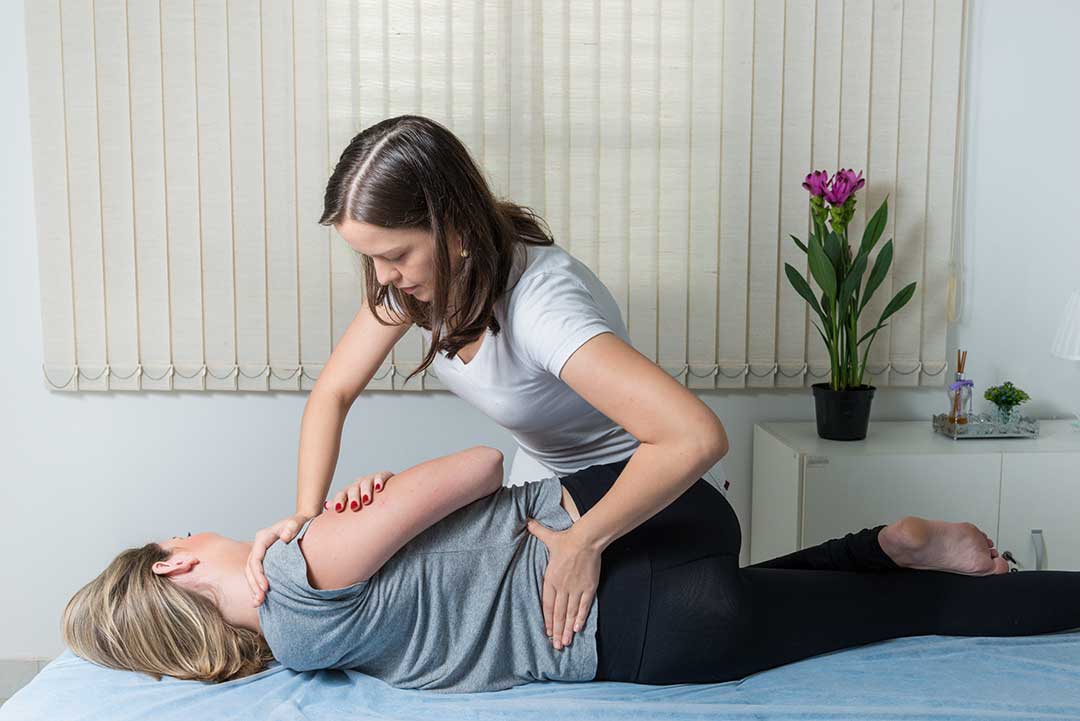
Do massage, acupuncture, or chiropractic care help?
Massage may temporarily ease muscle tightness around the lower back, hips, and buttocks. Acupuncture has shown mixed results in studies, so expectations should remain realistic. Spinal manipulation may help some people with low back pain, but it is not appropriate for every cause of leg pain and should not be used to delay evaluation of weakness or other warning signs. ([mayoclinic.org](https://www.mayoclinic.org/diseases-conditions/sciatica/diagnosis-treatment/drc-20377441?utm_source=openai))
A qualified clinician may first assess strength, reflexes, sensation, walking, and the movements that change symptoms. That evaluation helps determine whether conservative care is reasonable or whether another type of medical assessment is needed.
“Natural” does not automatically mean risk-free. Forceful stretching, aggressive massage, high-velocity manipulation, or unregulated supplements may be harmful in the wrong situation. Herbal products also can interact with blood thinners, blood-pressure medicines, diabetes treatments, or other medications.
What about over-the-counter pain medicine?
Some people use anti-inflammatory medicines such as ibuprofen or naproxen, but these are not safe for everyone. They may pose risks for people with kidney disease, stomach ulcers, bleeding problems, certain heart conditions, or specific medication combinations. Follow the product label and ask a pharmacist or clinician if there is any uncertainty. Evidence for particular pain relievers in sciatica is mixed, and acetaminophen may not address nerve-related pain effectively. ([mayoclinic.org](https://www.mayoclinic.org/diseases-conditions/sciatica/diagnosis-treatment/drc-20377441?utm_source=openai))
Medication should support safe movement rather than allow someone to continue an activity that is worsening the injury.
When is sciatica an emergency?
Seek emergency medical care for sciatica with:
- New loss of bladder or bowel control
- Difficulty beginning urination or inability to urinate
- Numbness around the genitals, inner thighs, or buttocks
- Severe or worsening weakness in one or both legs
- Numbness or weakness affecting both legs
- Significant symptoms after major trauma
- Fever, unexplained weight loss, or a history of cancer along with new back pain
These symptoms can indicate serious nerve compression or another condition requiring urgent evaluation. ([newsnetwork.mayoclinic.org](https://newsnetwork.mayoclinic.org/discussion/mayo-clinic-qa-when-should-i-see-a-neurosurgeon-about-my-back-pain/?utm_source=openai))
When should ongoing symptoms be evaluated?
If pain is getting worse, interfering with sleep or walking, or failing to improve after several weeks of home care, an evaluation is appropriate. Imaging is not automatically necessary at the beginning of every episode, but it may be considered when symptoms persist, neurological changes develop, or the examination suggests a more serious problem. ([mayoclinic.org](https://www.mayoclinic.org/diseases-conditions/sciatica/diagnosis-treatment/drc-20377441?utm_source=openai))
For many households in Olean, a sensible first step is to reduce aggravating activity without becoming completely inactive, use heat or cold carefully, take brief walks, and track changes in pain, numbness, and strength. A written symptom record can help clarify whether the condition is steadily improving or needs further attention.
